The Cries of the Earth
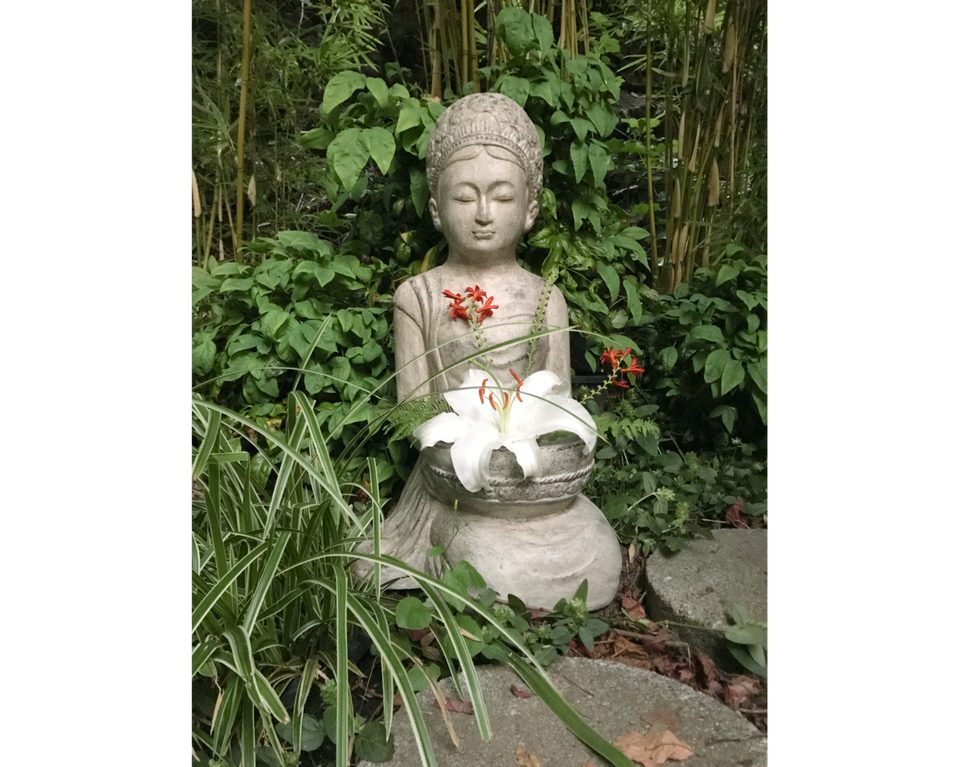
For many years when I lived in my Seattle home, I worked tirelessly to create a lush and quiet garden sanctuary that would provide an antidote to the density, noise, and fast pace of city living.
In my free time, I spent hours wandering through outdoor plantings at a nearby nursery, visualizing the best locations for adding new shrubs, trees, and flowers to my existing garden. Along the way, I kept searching for a tasteful sculpture that might reflect the qualities of serenity and peacefulness that I valued. Unfortunately, many of the commercial garden art pieces that I found were either too expensive or frivolously decorative to suit my preferences.
One afternoon, after several months of fruitless searching, an unsolicited garden art catalog appeared in my mailbox. It was easy to see that the catalog was sent from an unknown database, in which private information had been collected and later sold to marketers of specialty merchandise. But since I had not yet found the ”perfect” garden accent, I decided to at least give the catalog a thoughtful review. I was glad I did, because one of the inside photos showed a modest, cast-concrete statue that seemed to satisfy all my artistic expectations.
I immediately ordered the statue and placed it close to existing stands of bamboo and flowering plants near the back of my property. I knew nothing about the statue’s symbolism, but loved the way it added a tone of dignified vigilance to the garden’s quiet setting. A small tag that accompanied the statue identified her as “Quan-yin, an Asian earth deity.”
But after I researched more about the background and symbolism of Quan-yin, I realized that her persona embodied a more multifaceted and holistic significance than the small tag had described.

Quan-yin (Guanyin) is widely viewed in Asia as a “Bodhisattva” (enlightened being) who is often referred to as the "Goddess of Mercy and Compassion.“ After originating first as a male deity in India, Quan-yin’s identity gradually evolved into a nurturing, female form around the 12th century, when Buddhism was introduced into Chinese culture by traveling merchants and missionaries via the “Silk Road.” Once established in China, Quan-yin became associated with the “yin” (female) expression of watchful compassion, and was recognized as a central figure in Buddhism, Taoism, and popular Chinese folk religions.
Quan-yin is still revered in modern Chinese culture as an invisible source of healing and protection, especially for women, children, and the sick. And with the assistance of her sensitive and intuitive nature, she can hear and respond to the “cries of the earth,” which are frequently generated by extreme personal adversity or misuse of the earth’s gifts to humanity. Quan-yin humbly extends her benedictions for health and vitality to the entire planet, and asks only for respect in return.
But her patient good will continues to be denigrated and attacked.
It has been heartbreaking for me (and millions of others) to witness the violence and reckless desecration that has been directed towards the earth—our only home—and her inhabitants. The fallout from this arrogant destruction of lives and resources has now reached a dangerous tipping point. The poem below is a sobering reminder that we may no longer have the luxury of easily incorporating a “Plan B” into our planet’s future evolution:
From this river, when I was a child,
I used to drink
But when I came back I found
that the body of the river was dying.
“Did it speak?”
Yes, it sang out the old songs, but faintly.
“What will you do?”
I will grieve of course, but that's nothing.
“What, precisely, will you grieve for?”
For the river. For myself, my lost
joyfulness. For the children who will not
know what a river can be—a friend, a
companion, a hint of heaven.
“Isn't this somewhat overplayed?”
I said: it can be a friend. A companion. A
hint of heaven.

Visual art, music, and poetry have always been constant, comforting, inner companions that help keep me balanced when the world around me chooses a path of conscious, lethal violence, instead of simple, moral civility. The poem that follows reminds me of what is truly important:
With thanks to the field sparrow,
whose voice is so delicate
and humble
I do not live happily or comfortably
with the cleverness of our times.
The talk is all about computers,
the news is all about bombs and blood.
This morning, in the fresh field,
I came upon a hidden nest.
It held four warm, speckled eggs.
I touched them.
Then went away softly,
having felt something more wonderful
than all the electricity of New York City.

In the spring of 1968, after leaving my studies at the University of Washington, I began a wide-ranging and self-directed course of art history and natural science investigations, which strengthened my understanding of visible and invisible structures in the plant world around me. My personal “study hall” was the library in the UW School of Art, where I spent days, weeks, and months poring through fascinating but obscure books, whose subjects I had never encountered in my previous art school education.
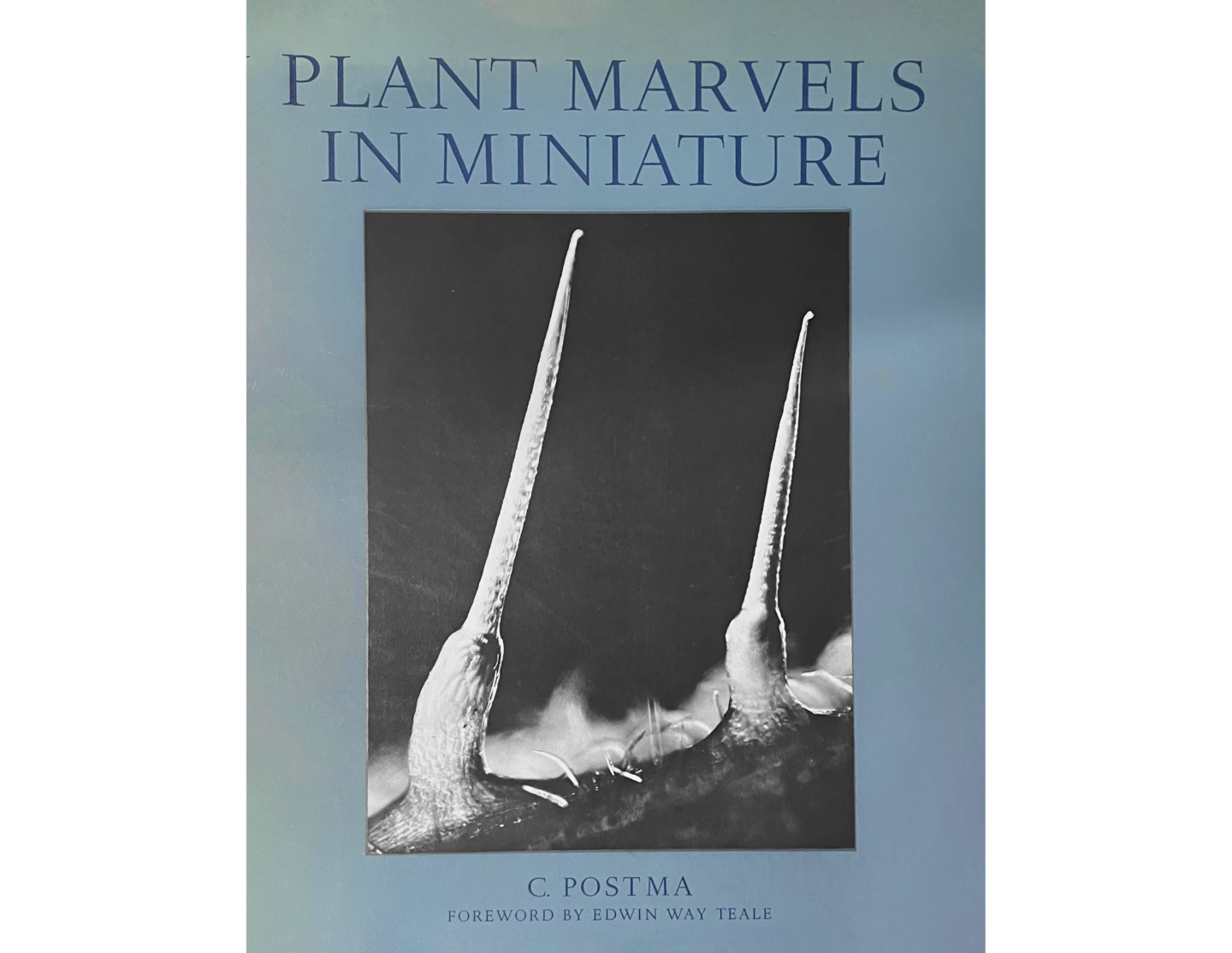
On one of my solo visits to the art library, I discovered an oversize book on one of its upper shelves. Its title was Plant Marvels in Miniature. The book was written by Coenraad Postma, a practicing physician in the Netherlands, whose passionate hobby was microphotography. Since I had already studied (and illustrated) a variety of natural science and botanical subjects during my post-art-school days, I felt completely at home with the Dr. Postma’s choice of written and visual language, which clearly revealed the uncanny inner intelligence and order that extends through every dimension of growth:
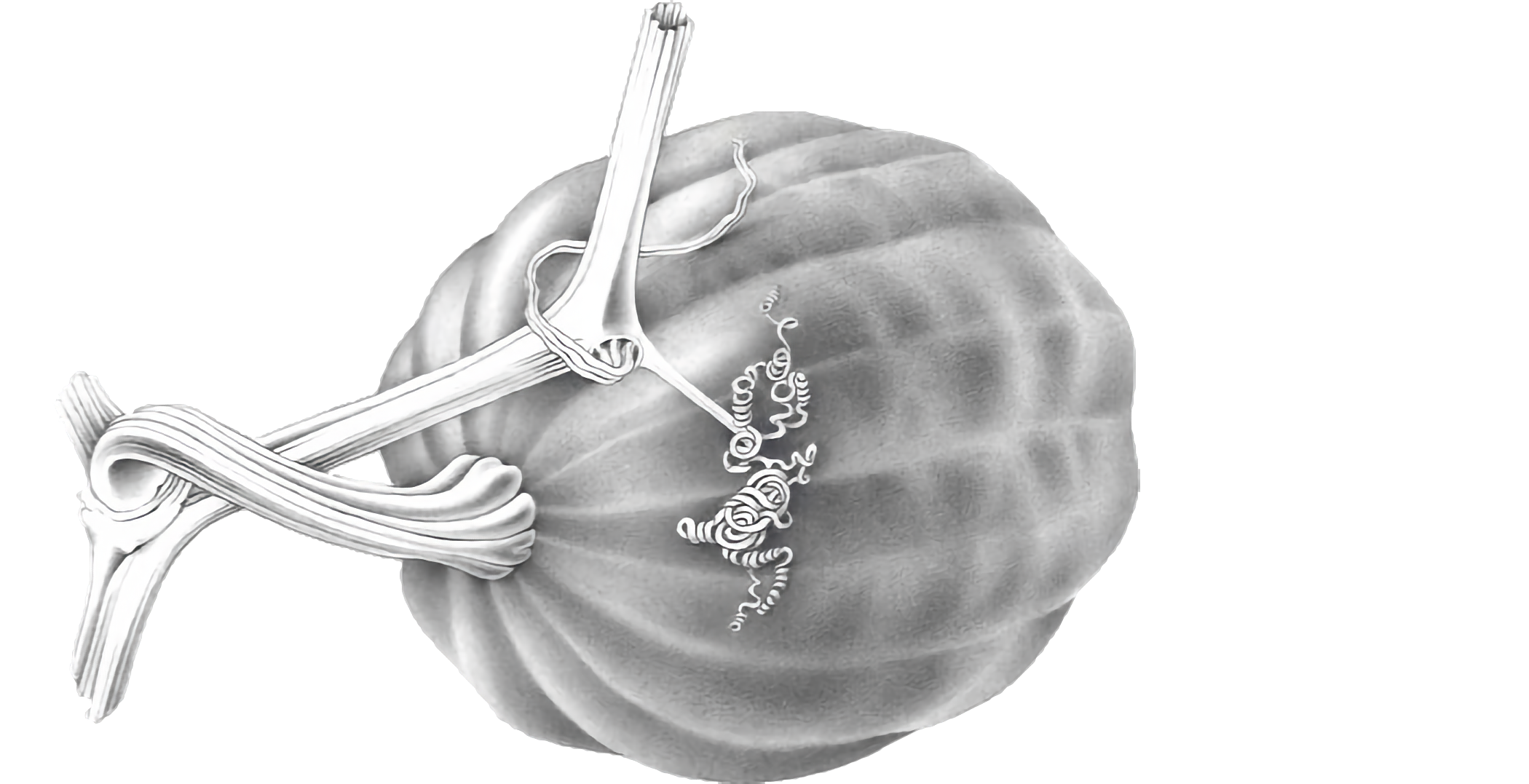
Squash Study from My Garden, by Sandra Dean
Postma’s elegant photos and descriptions in Plant Marvels in Miniature created a deep, psychological imprint in my subconscious mind, which remained alive but completely dormant, like a ripening seed inside its protective shell, for fifty-five years.
Suddenly, in the spring of 2023, the power of this imprint awoke from its silent dormancy, and began to speak to me with a palpable sense of urgency:
Revisit the contents of the Plant Marvels book, now!
I immediately ordered a used copy of the book and started scanning several of Dr. Postma’s extraordinary photos, which were accompanied by his detailed commentaries. The short, introductory testimonial below, taken from the Foreword, gives a preview of the book’s contents:
Here we find patterns and designs to delight the artist, intricate structures of lightness and strength to absorb the engineer, and revelations of the unseen world that are at once so close at hand and so far away from our everyday life—to fascinate us all. Here we travel in new realms, in a world beyond whose borders only the microscopist penetrates.

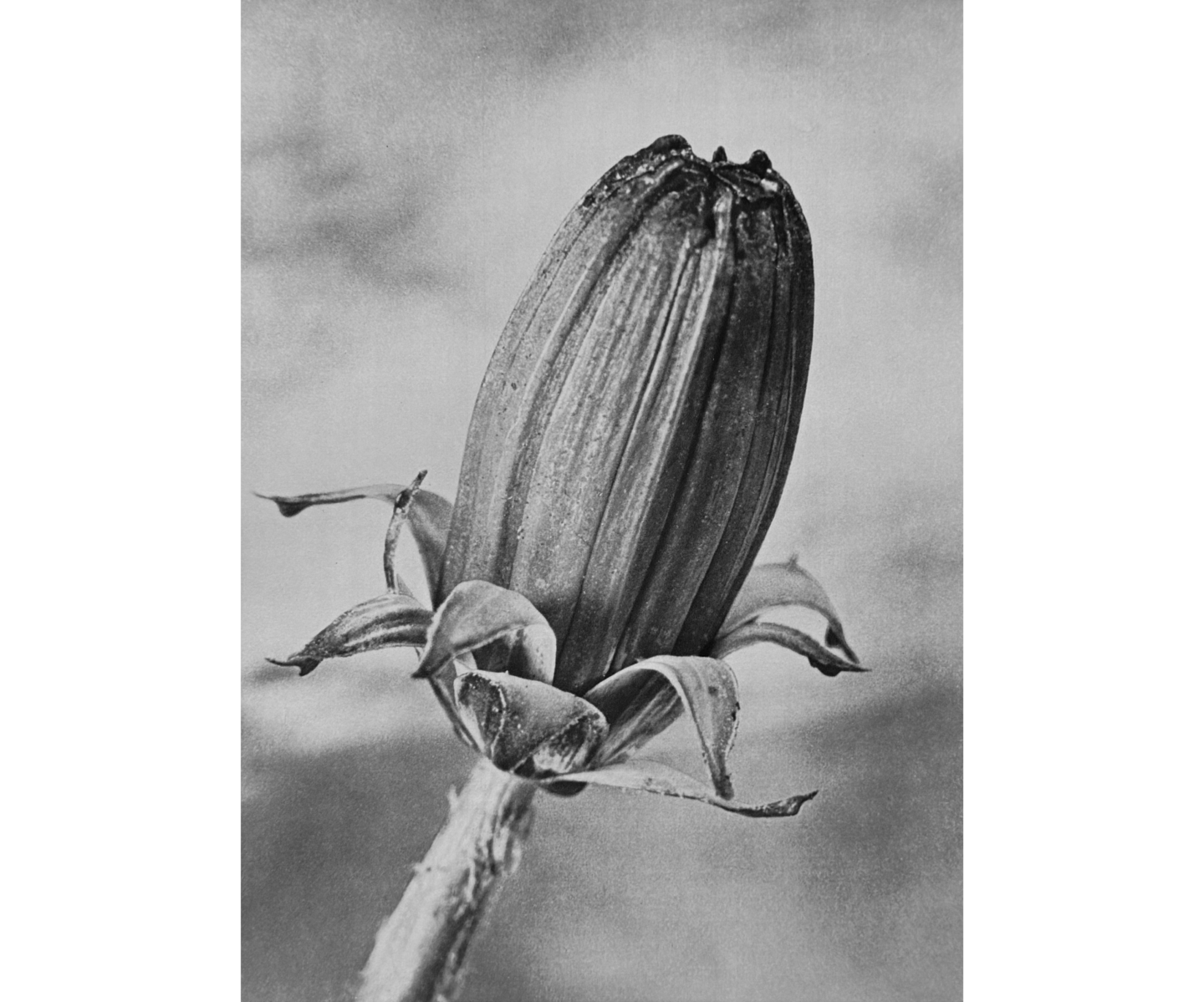
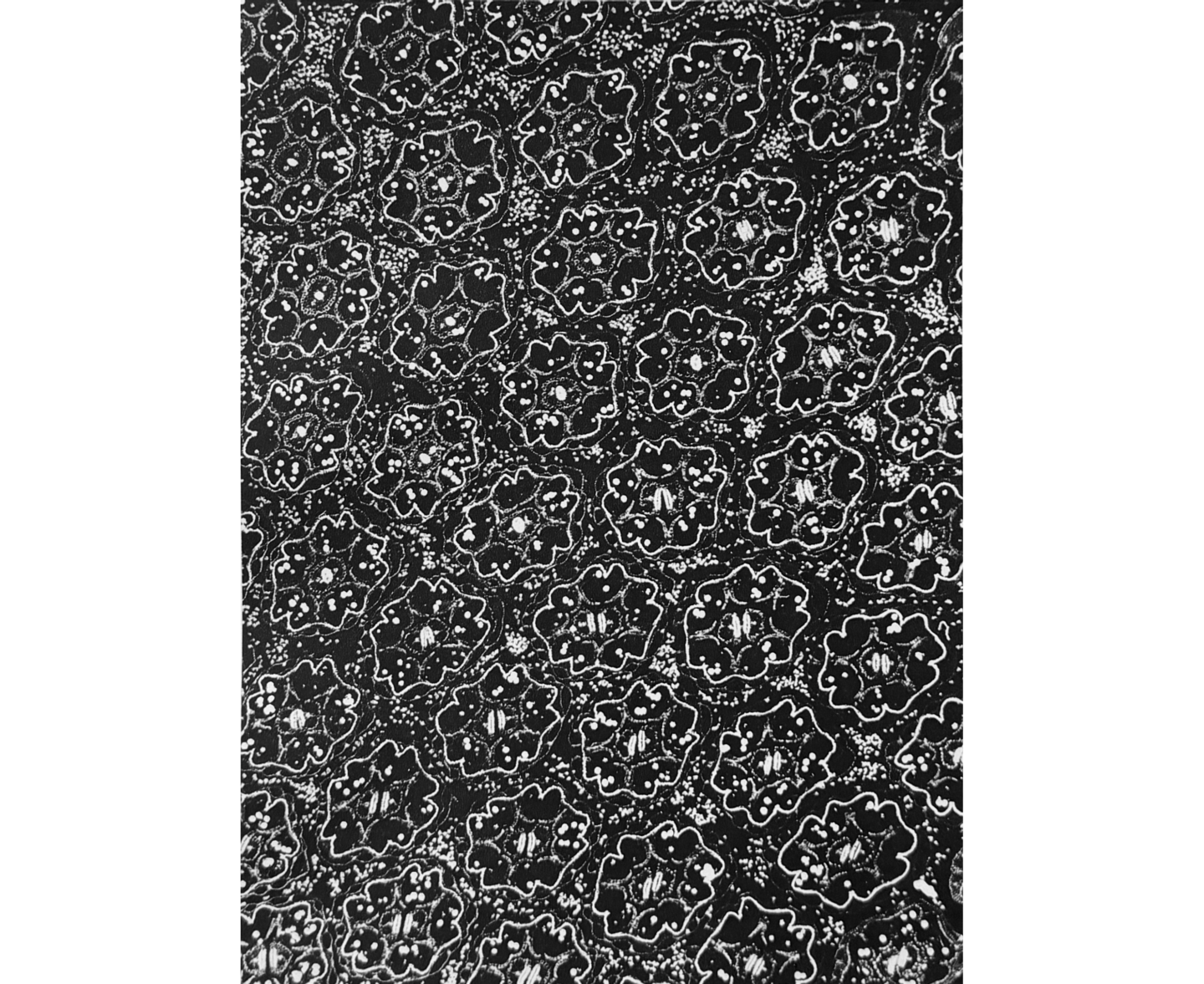
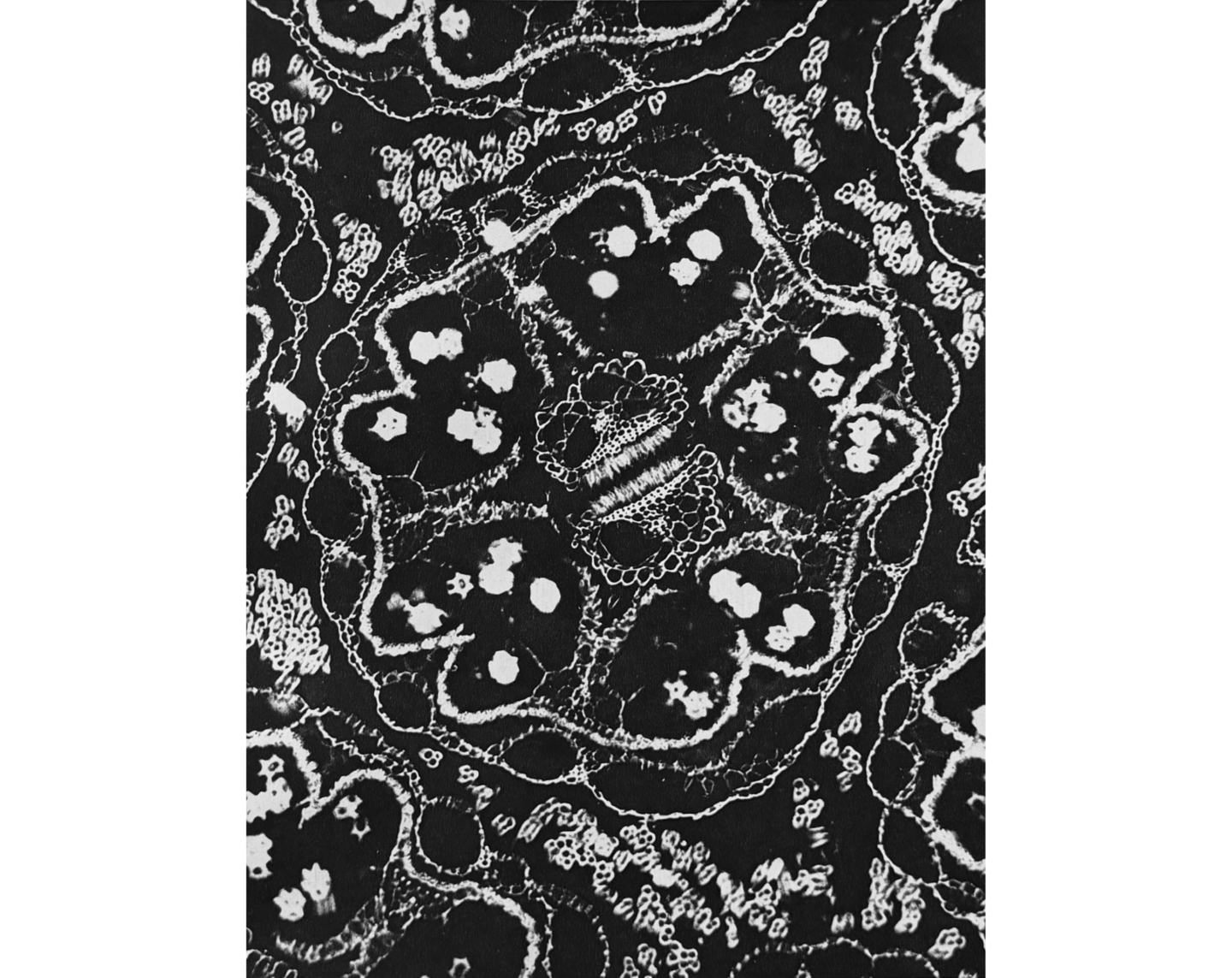
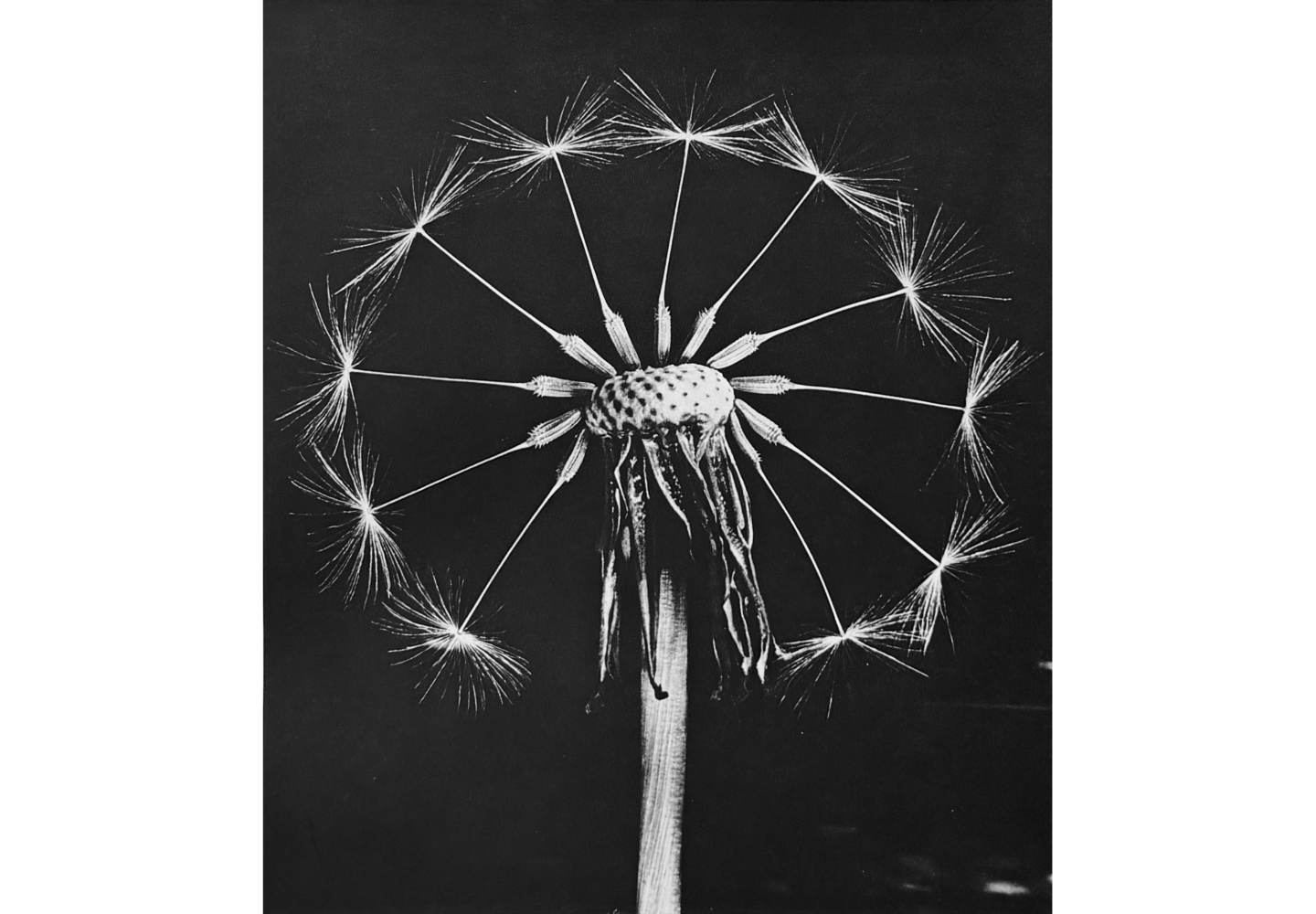
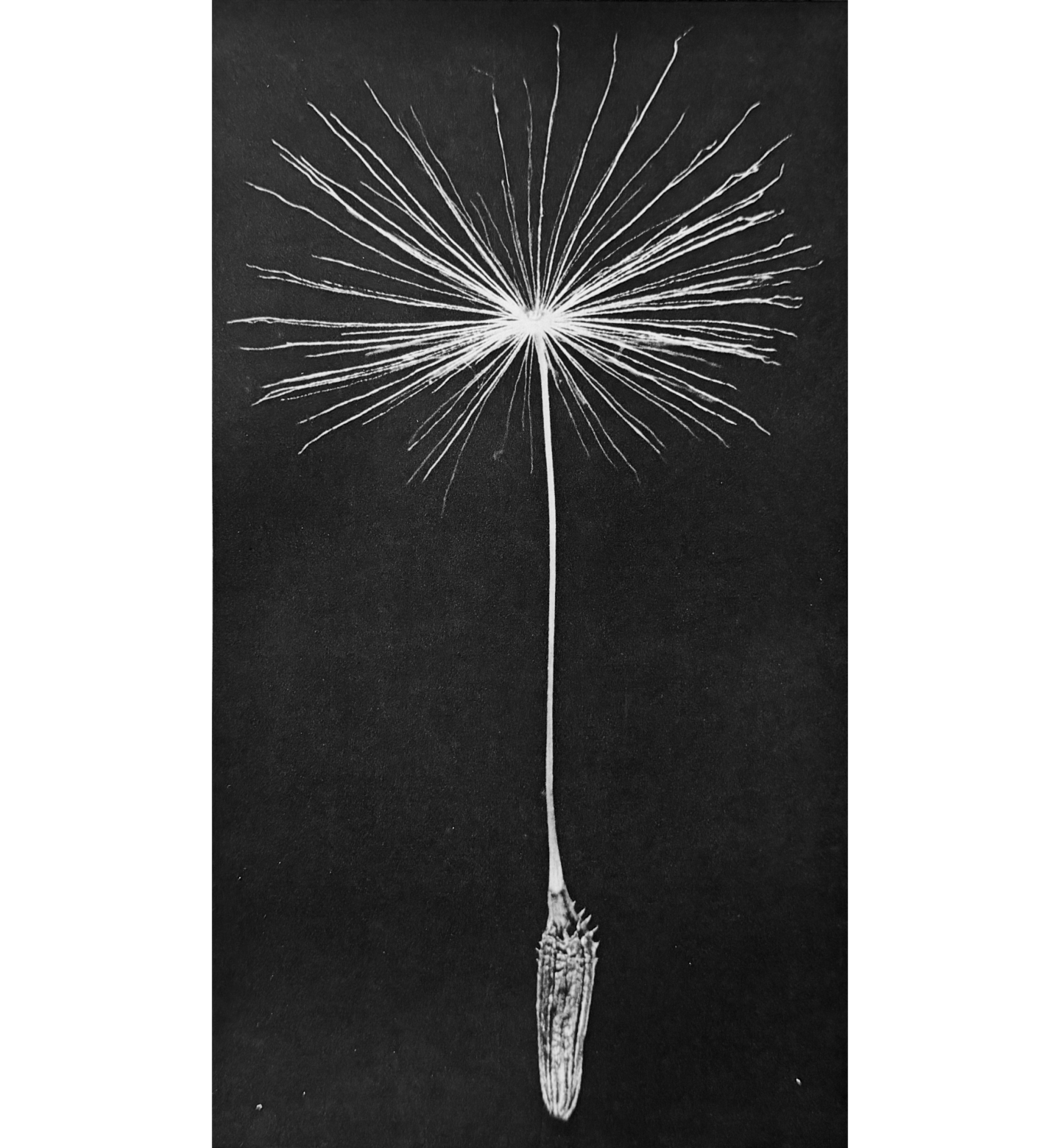
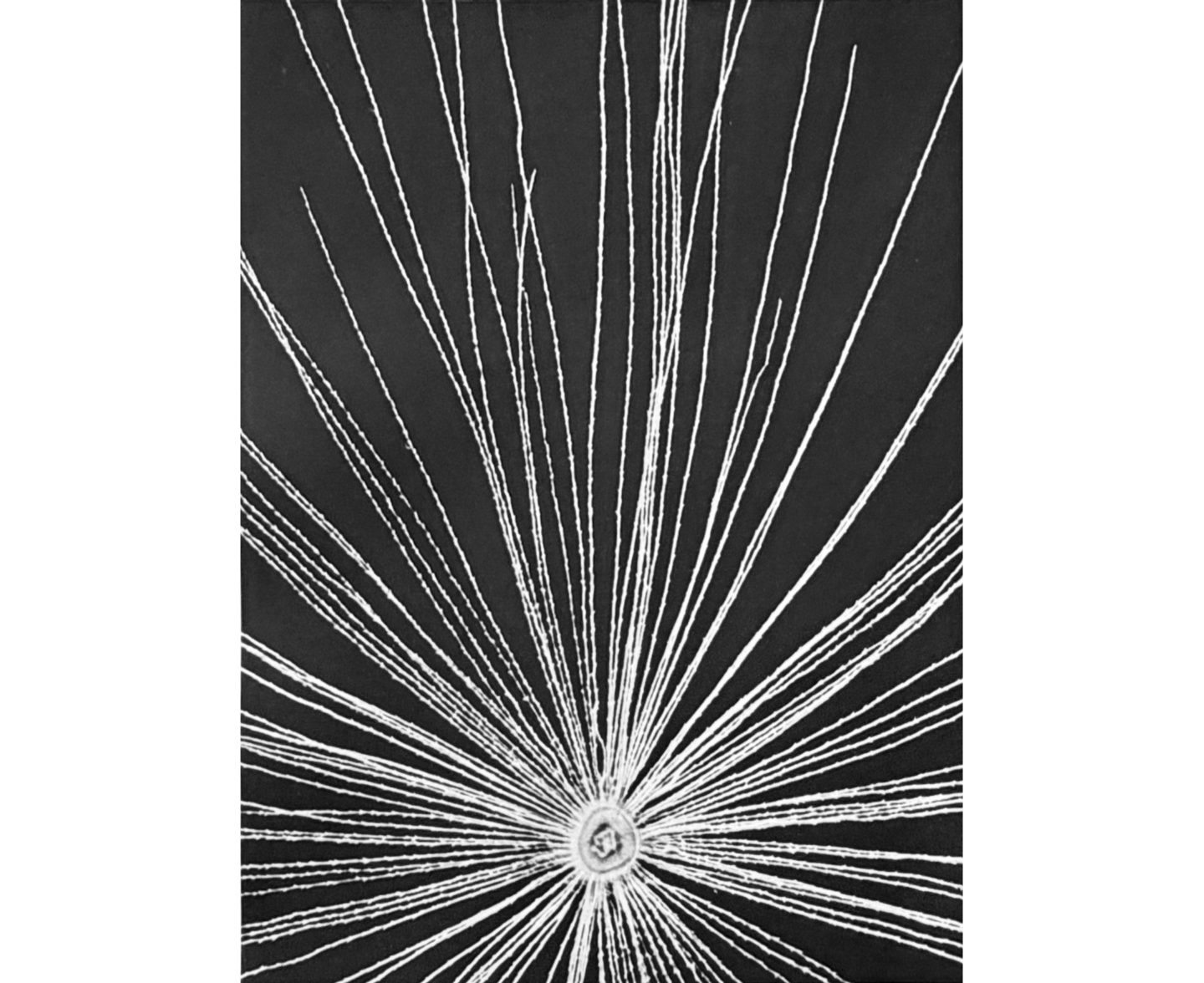
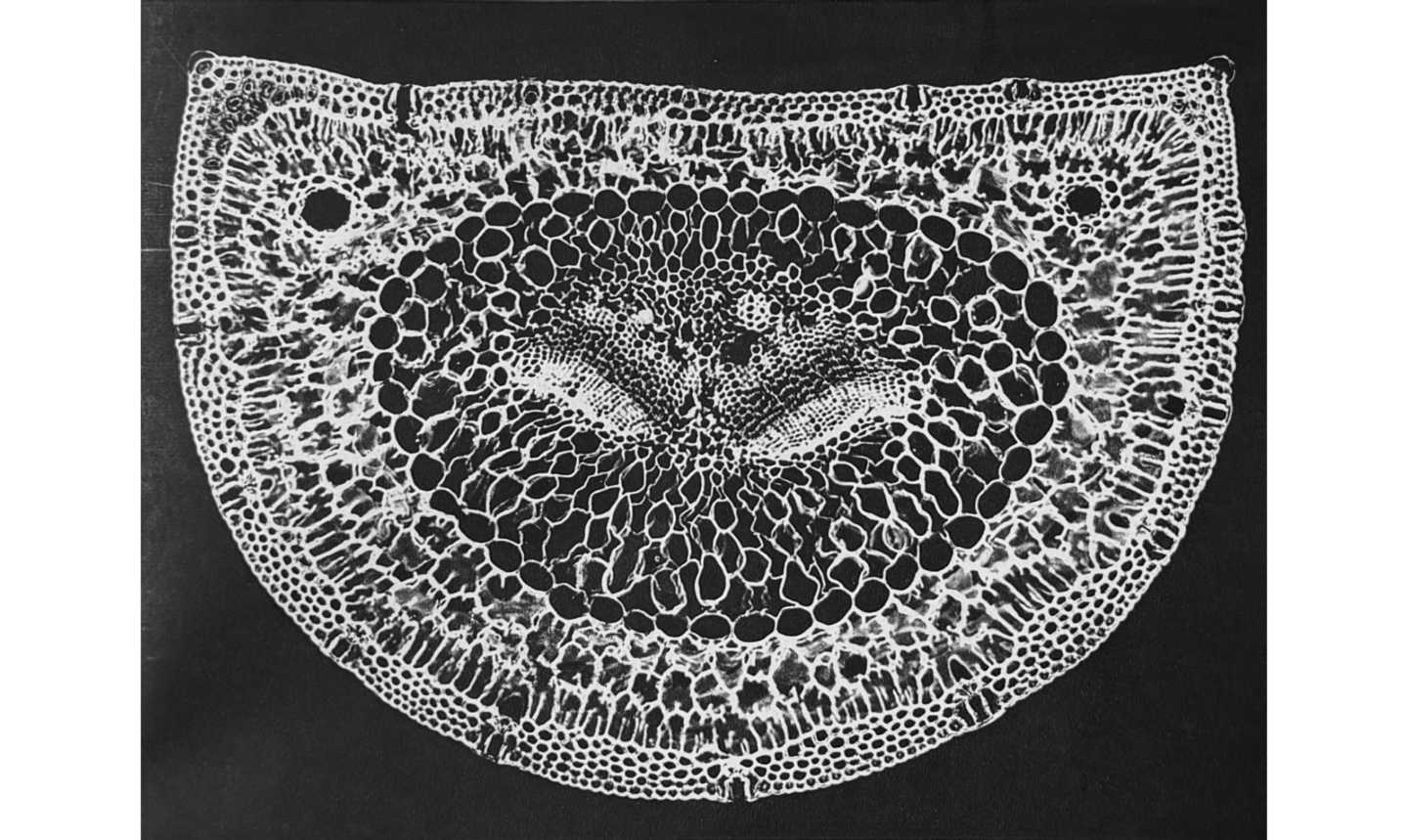
To illustrate the invisible and intelligent wonders that are continually at work inside outward forms, I’ve included Dr. Postma’s mini “storyboard” of photos below, which features microscopic views of the intricate, organizing mechanisms that exist inside the common dandelion flower—a plant that most people can easily recognize:

The only real voyage of discovery consists not in exploring new landscapes, but in seeing with new eyes.
— Marcel Proust
As a visual artist and a licensed massage therapist who worked from a medical perspective for thirty-five years, I’m grateful that the intuitive and practical gifts I received from both these callings helped me look to the depths and consciously expand my existing skills for “seeing the world with new eyes.” I always recognize and acknowledge that these gifts are only temporary loans, and are not meant to draw attention to my personal talents or accomplishments.
I’ve never been a formal member of any organized religion, and chose long ago to mentally lay my wreaths of homage on the alternative altar of the earth herself. The inspiration I’ve received from this continuing personal practice has encouraged me to join with other like-minded individuals and groups to generate new ways of expressing life-affirming values, which include developing and exercising more peaceful applications of the world’s technological expertise and power.
These non-violent options for addressing the disasters of existing conflicts have the additional benefit of simultaneously soothing—and helping to regenerate—our beautiful, interconnected, and troubled planet.
When I am among the trees
When I am among the trees,
especially the willows and the honey locust,
equally the beech, the oaks and the pines,
they give off such hints of gladness.
I would almost say that they save me, and daily.
I am so distant from the hope of myself,
in which I have goodness, and discernment,
and never hurry through the world
but walk slowly, and bow often.
Around me the trees stir in their leaves
and call out, “Stay awhile.”
The light flows from their branches.
And they call again, “It’s simple” they say,
“and you too have come
into the world to do this, to go easy, to be filled
with light, and to shine.”

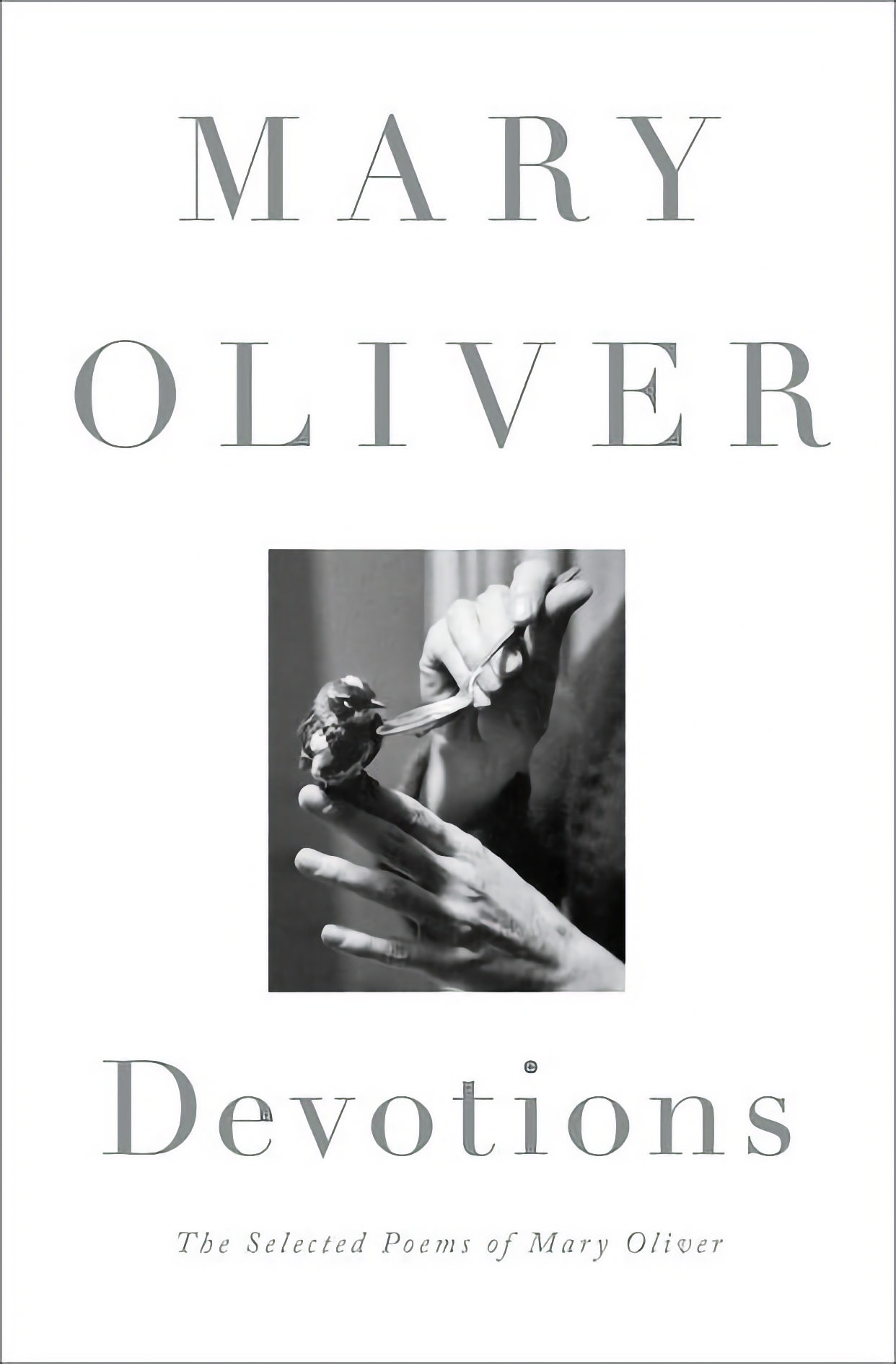
Arranged by Oliver herself shortly before her death in 2019, Devotions features Oliver’s work from her very first book of poetry, No Voyage and Other Poems, published in 1963 at the age of twenty-eight, through her last, Felicity, published in 2015.
No matter where one starts reading, Devotions offers much to love…Perhaps more important, the luminous writing provides respite from our crazy world and demonstrates how mindfulness can define and transform a life, moment by moment, poem by poem.
—The Washington Post
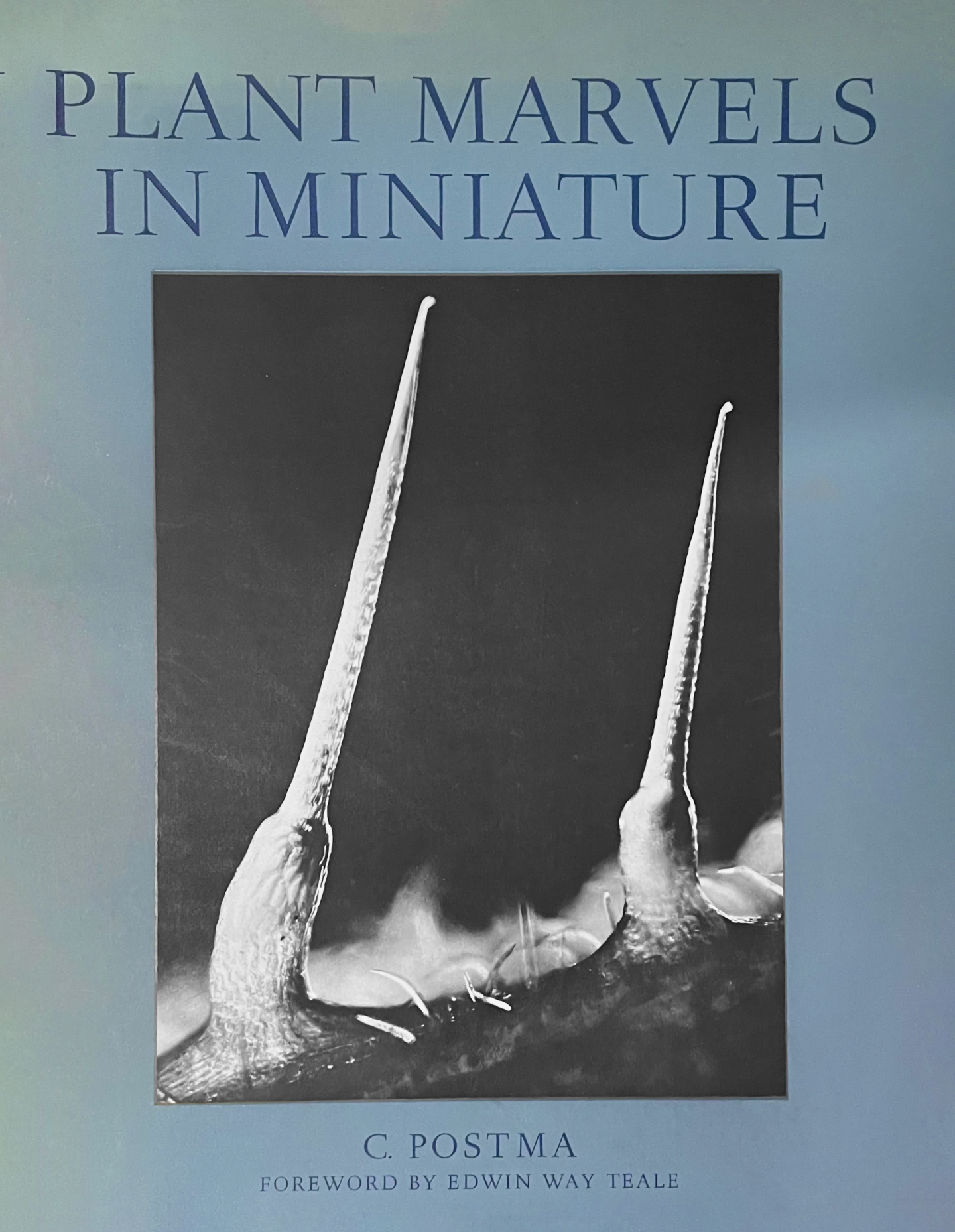
This 1964 botanical treasure by Dutch scientist Coenraad Postma offers over 200 captivating photomicrographs unveiling the intricate beauty of plant anatomy at a cellular level. A pioneering work predating widespread electron microscopy, the book provides scientific insights into plant structures and functions through Postma’s engaging prose.
Member discussion