My Chickadee Family
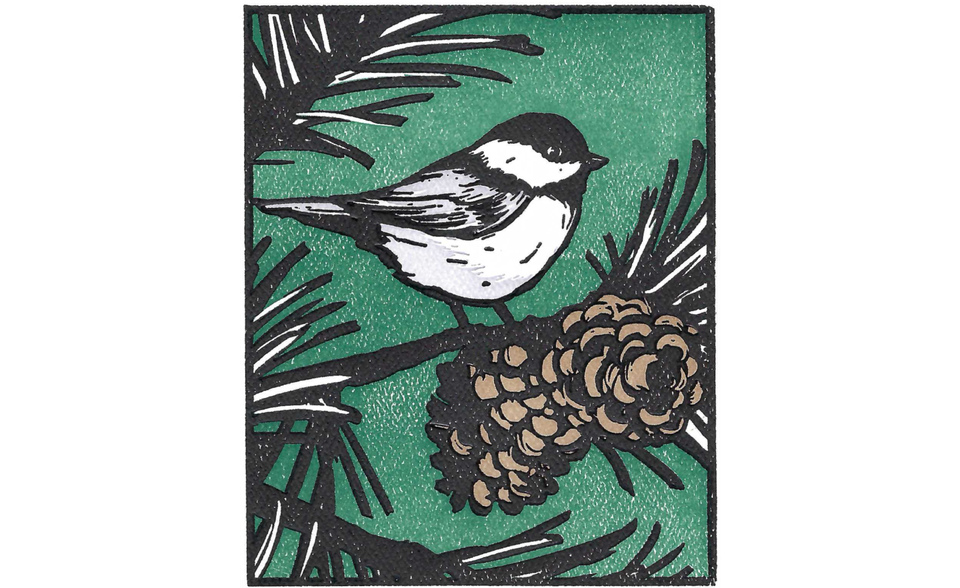
In the summer of 1974, I purchased a small, 1918, “fixer upper” bungalow in Seattle, at the foot of a wooded, undeveloped hillside. The slope was a quiet refuge for squirrel, possum, and raccoon families, along with a bounty of beautiful wild birds, whose cheery voices greeted me every morning.
Living next to this virgin urban forest seemed like the perfect destination for an herb-tea-sipping “artiste” like me, who valued a peaceful and nature-loving home environment.
But in the spring of 1975, when I returned home from my job in downtown Seattle, I discovered that with no advance notice, my uphill neighbor (a perennially hostile woman who owned the property) had hired a crew to cut every tree on the slope to the ground, leaving behind only hastily-butchered stumps and piles of splintered branches that were still hung with the soft green buds of new leaves. From my open window only six feet away from the remains, I could hear my neighbor cackling loudly in triumph from the top of the hill:
Just look at those trees now!
A Not Fun Fact: She cut the hillside trees to the ground two more times in subsequent years.
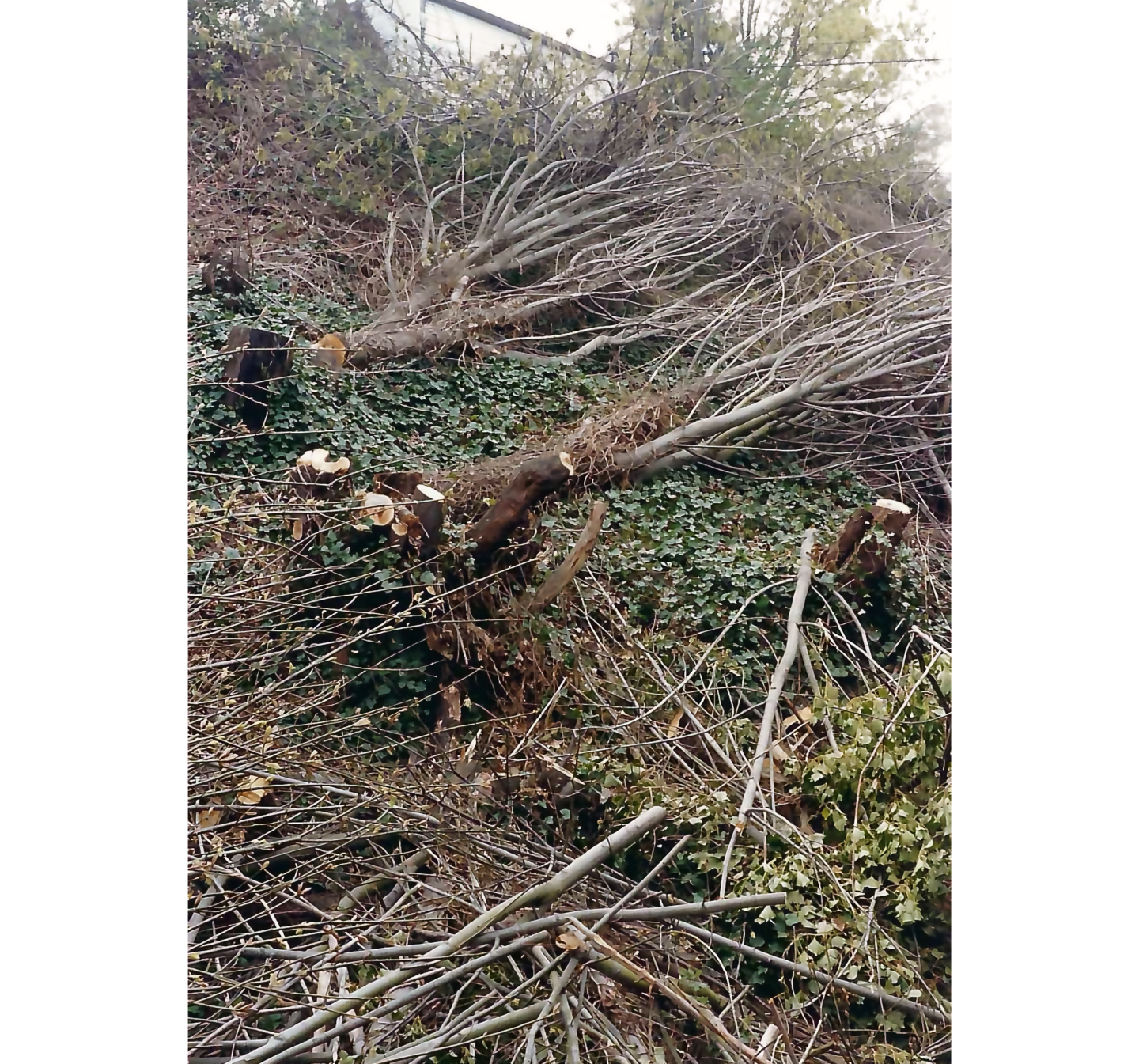
I cried about this devastating loss for endless days, weeks, and months, and hoped that the remaining wildlife had escaped to find alternative protection in the overgrown alley above my backyard. In the meantime, I vowed to transform my own property, front and back, into a beautiful, protected sanctuary for my beloved, displaced, wildlife neighbors.
The Renewal Begins
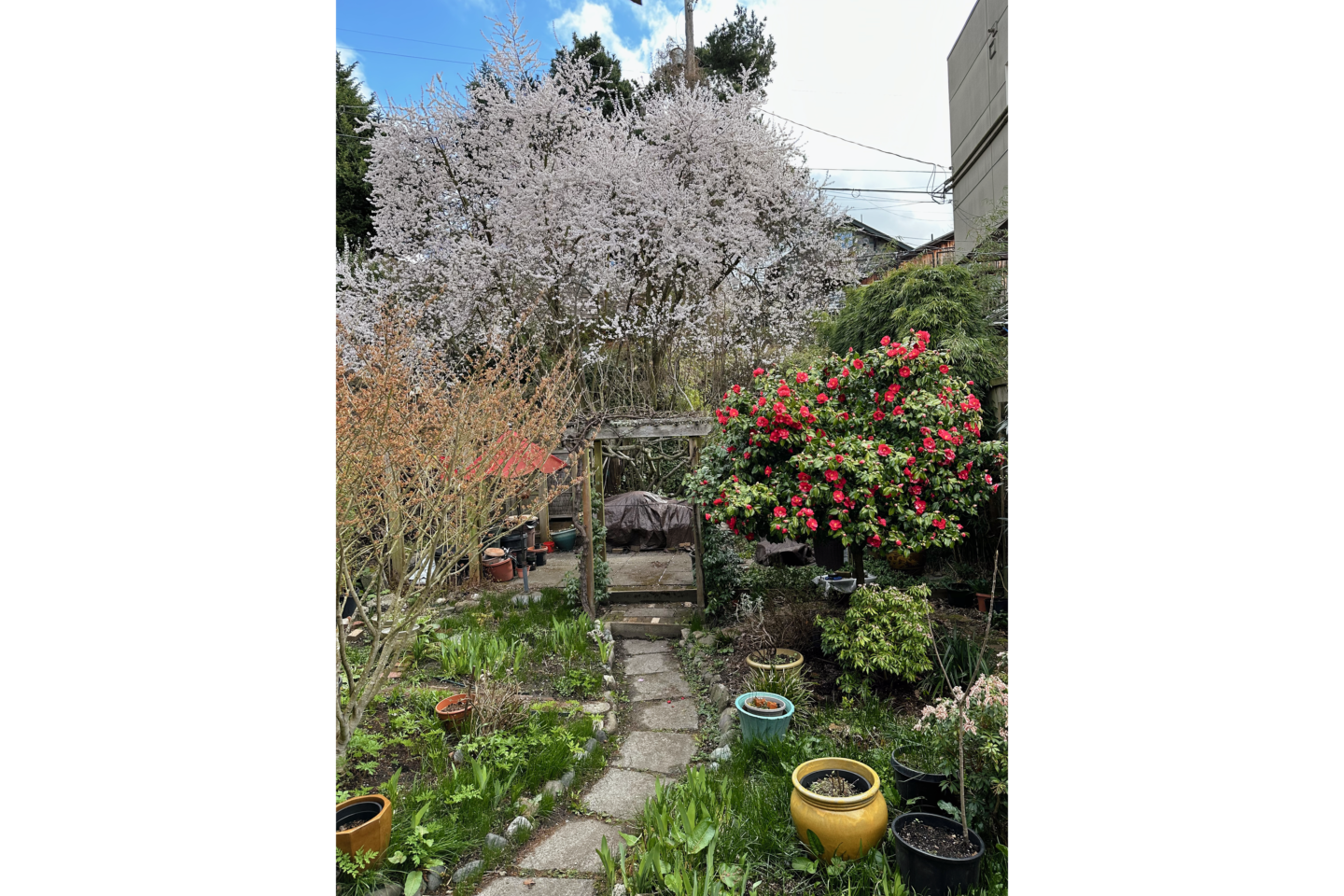
Nothing could be done to repair my neighbor’s malevolent destruction, but as I surveyed my own lot, I saw that it included several flowering trees and shrubs that offered shelter and food sources for industrious birds and bees. In the backyard, the trees included an old, pink-flowering plum, an heirloom red camellia, an Italian fig tree, and a fragrant yellow witch hazel:
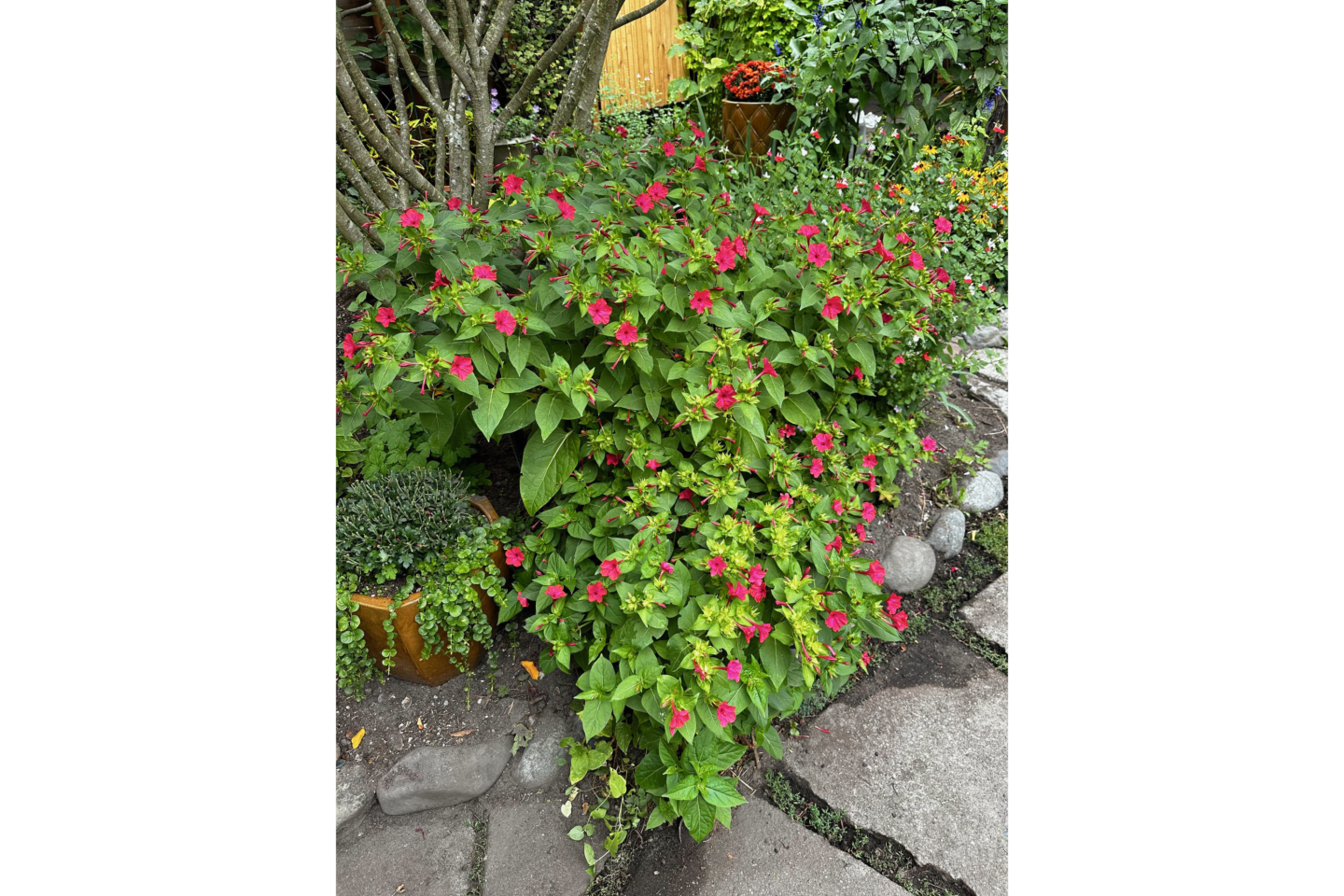
Below these trees, I planted several stands of red “four o’clock” flowers, whose sweet, musky fragrance invited hummingbird visitors to stop by in the late afternoon for a welcome snack before sundown.
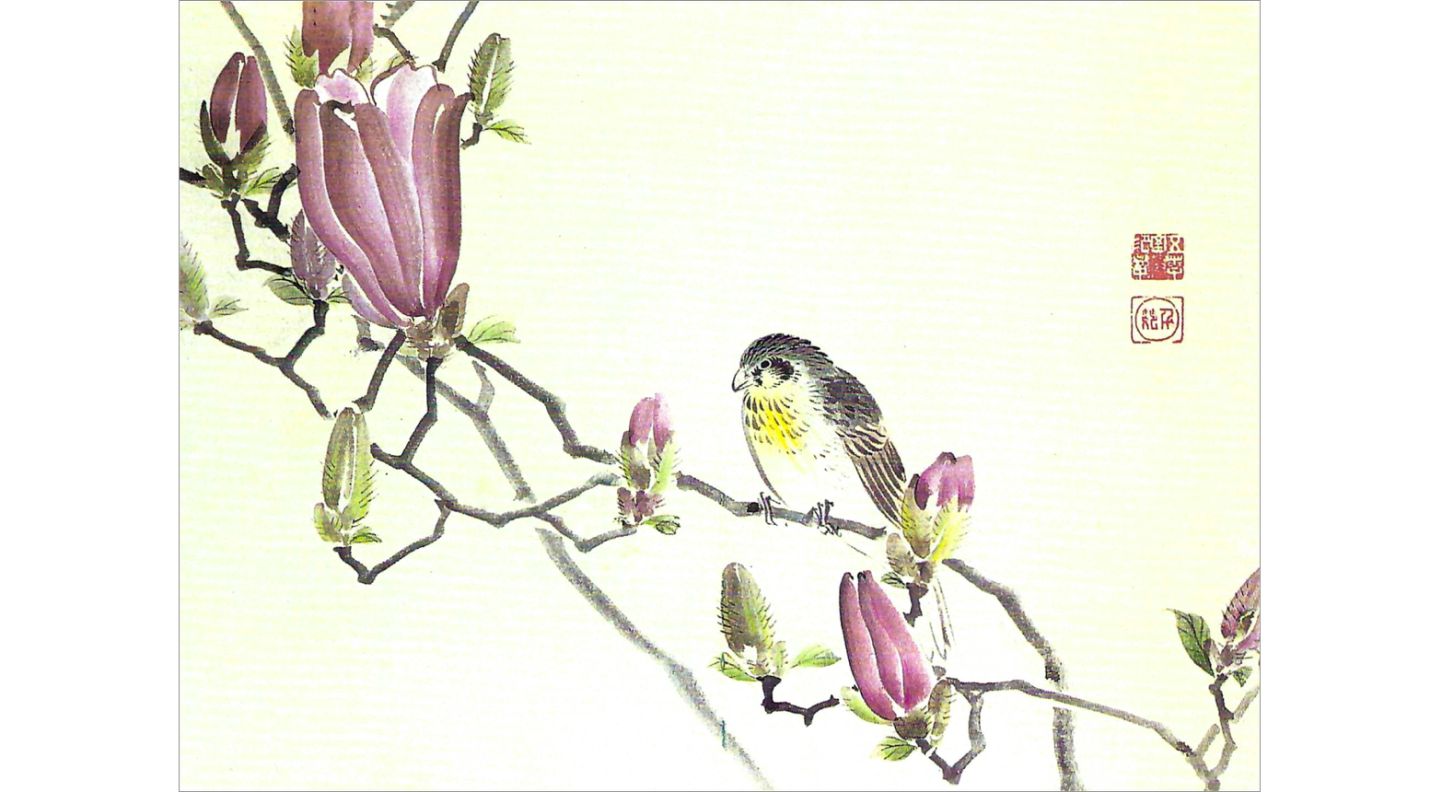
In the front yard, the branches of my gorgeous, deciduous magnolia tree provided birds with a variety of elegant, protected resting places:

Surprise Settlers
One morning, a few years after my neighbor’s sad clearcut, I heard an unfamiliar sound coming from somewhere close to the back window of my kitchen. It was a rhythmic, “tap-tap-tap”, accompanied by soft fluttering and melodic chirps. I decided to hang out on my back deck to find the source of this activity. After only five minutes of observation, I realized that a black-capped chickadee couple had arrived to remove any traces of past habitation from a small void they had discovered inside the outer shell of my house, clearly in preparation for nesting. I did some quick research to verify that the birds' presence would not pose any health hazard, and learned that chickadees are extremely fastidious creatures, who remove every trace of waste or previous debris from an old nesting site.
After the tapping sound subsided, I continued to watch intently as the little birds emerged from the void in the siding and began several back and forth joint relays to carry fresh materials to line their new nest. Finally, after completing their home preparation, the chickadees settled in to lay their eggs. Sitting in my sunny breakfast nook, I was delighted to welcome my cheery new neighbors.
Behind-the-Scenes Facts About Chickadees
- Chickadees are tough little birds that do not migrate, and are found across much of North America.
- Each generation mates for life, and when they nest during spring, the female usually lays about 6-8 red-speckled eggs that typically hatch in about 12 days. The female keeps the eggs warm while the male forages for insects to feed her. The baby chickadees are born blind and featherless, and depend on both their parents to continually feed them with live caterpillars or other insects :
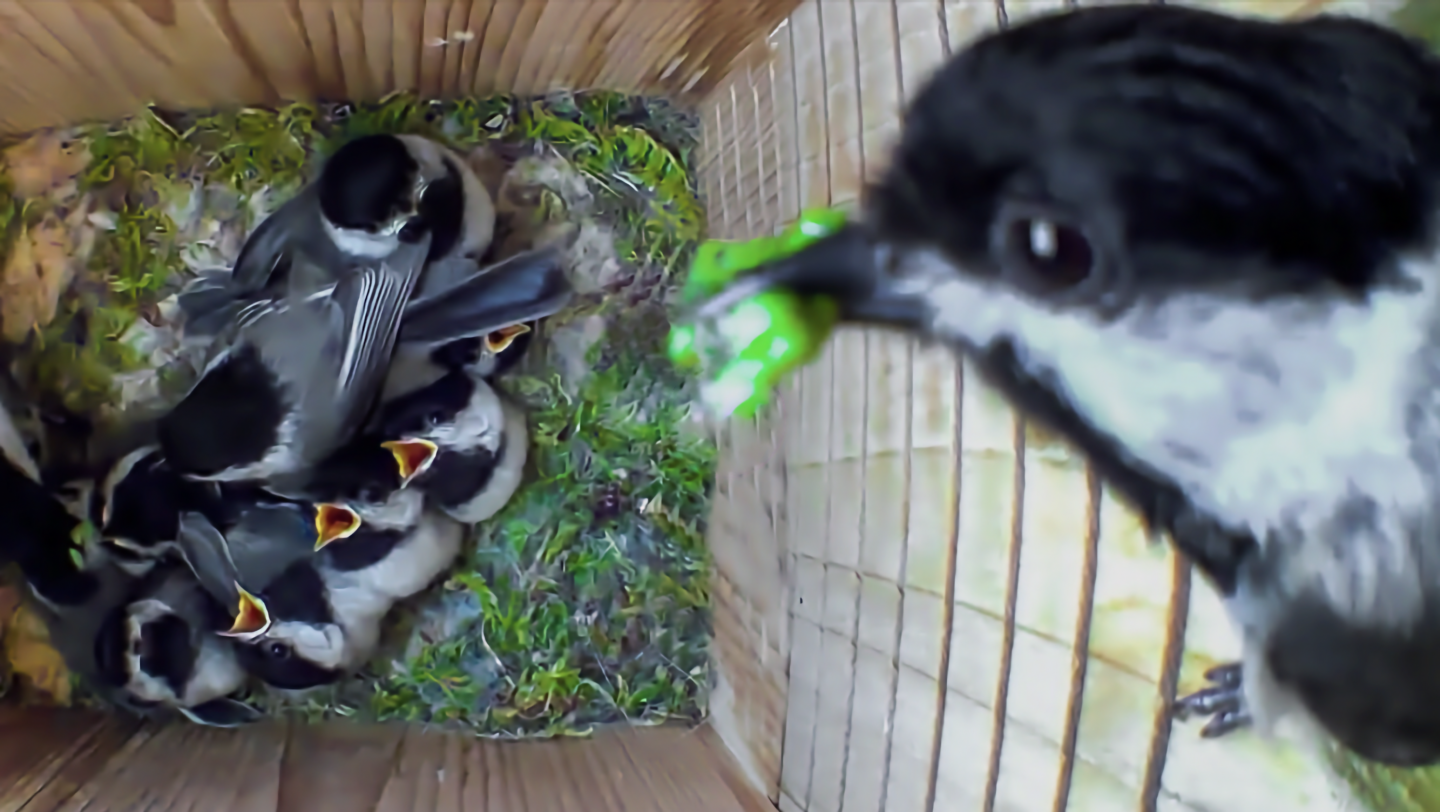
- The baby chickadees usually “fledge” (leave the nest) about 21 days after birth.
- The family then leaves the nest, but will stay together as a flock until the young chickadees are five to six weeks old and can fend for themselves.
- Chickadees are a favorite bird feeder visitor, and are often inquisitive and sociable around kind humans. They are cavity nesters and will excavate their own nest site in trees, voids in house siding (as in my own house), or use a man-made wooden nesting box.
- Black-capped chickadees are easily identified by their namesake call, “chick-a-dee-dee:”
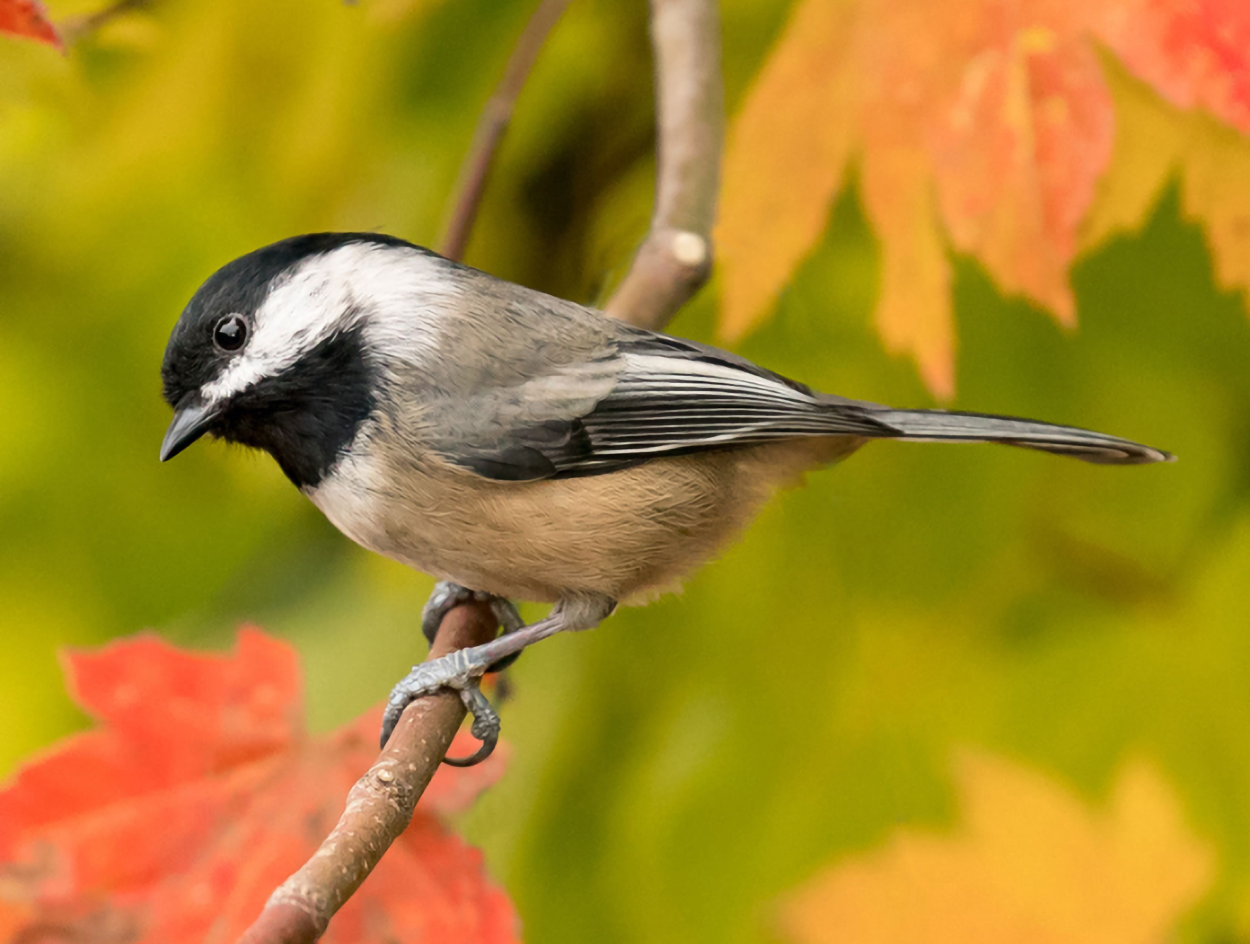
Black-capped Chickadee
- Chickadees weigh less than one-half of an ounce due to the hollow structure of their bones, which are laced with strong, interlocking struts:

My Chickadee Chats
With their nest situated only a few feet above my head inside the corner of my breakfast nook wall, I began to serenade the chickadees every morning and late afternoon with my falsetto, sing-song greeting. It did not take long for them to become accustomed to my voice and excitedly respond to me with their own chirping chorus whenever I spoke.
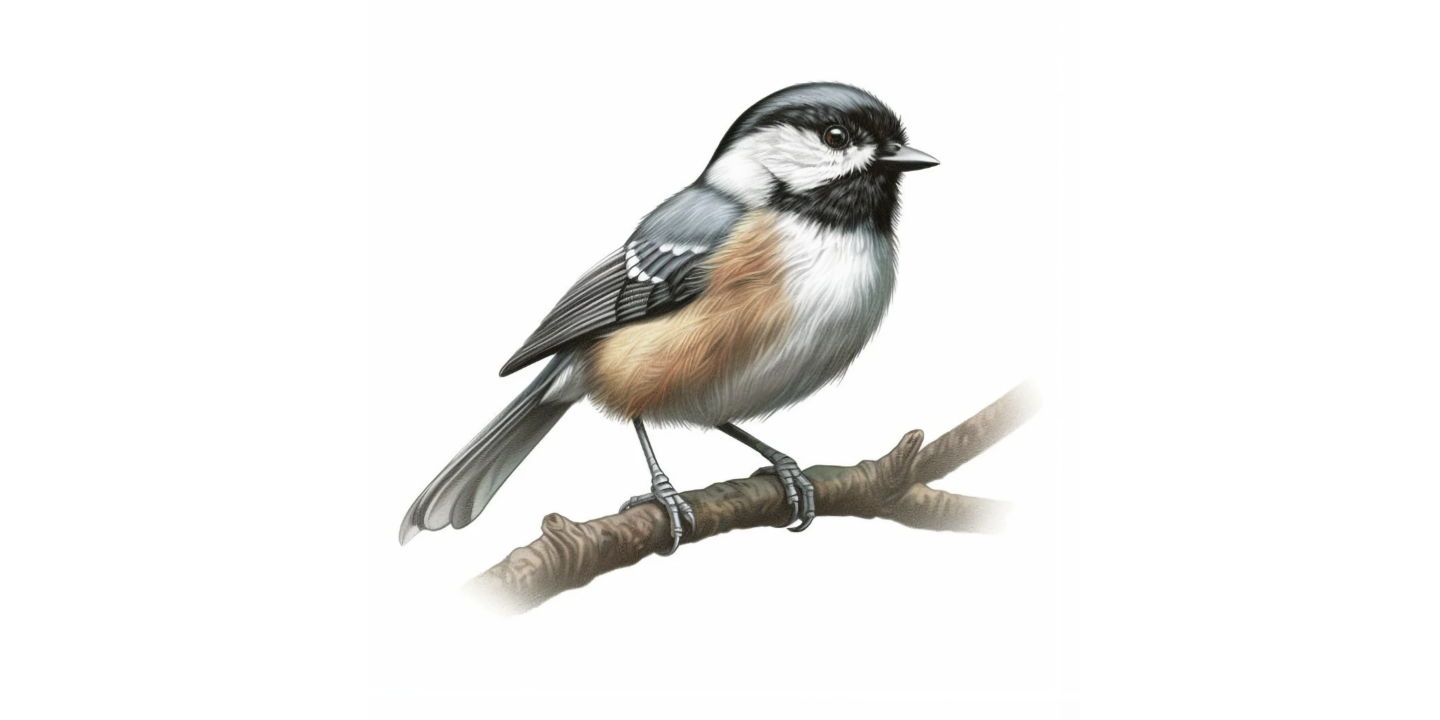
Many years passed as generations of chickadees and their offspring nested inside the little void of my house siding, always following the imprint of welcome and safety that they carried in their collective memory.
The Hatchling Fledge and After-Story
One spring, around the usual fledging date for chickadees, it was time for this latest generation to meet the Big Wide World. Luckily, I was at home at the time, and watched through my back window as one by one, the chickadee family members began to exit their nest in the side of my house and fly towards a tangle of low-hanging tree branches in my backyard.
As the foster “mom” that I was, I immediately went outside to follow the chirping chickadee caravan to make sure that no predators were nearby. But while the family gathered together in the branches, the parents suddenly began to generate frantic sounds of alarm. Unfortunately, one of their flying young ones had fallen to the ground; perhaps it was in need of an extra caterpillar infusion for added strength. Observing this wildlife drama with concern, I responded with my usual protectiveness and rushed to the rescue:
Oh NO little bird! This is not the best landing place for you!
Without a trace of fear, the fledging approached me on the ground and began to crawl up my pants leg. Perhaps it was the sound of my familiar, sing-song voice that signaled I could be trusted. And when he (or she) was about halfway up my leg and within reach of my hands, the young chickadee allowed me to pick him (or her) up and calmly deposit it near the low tree branch where its siblings and parents were waiting.
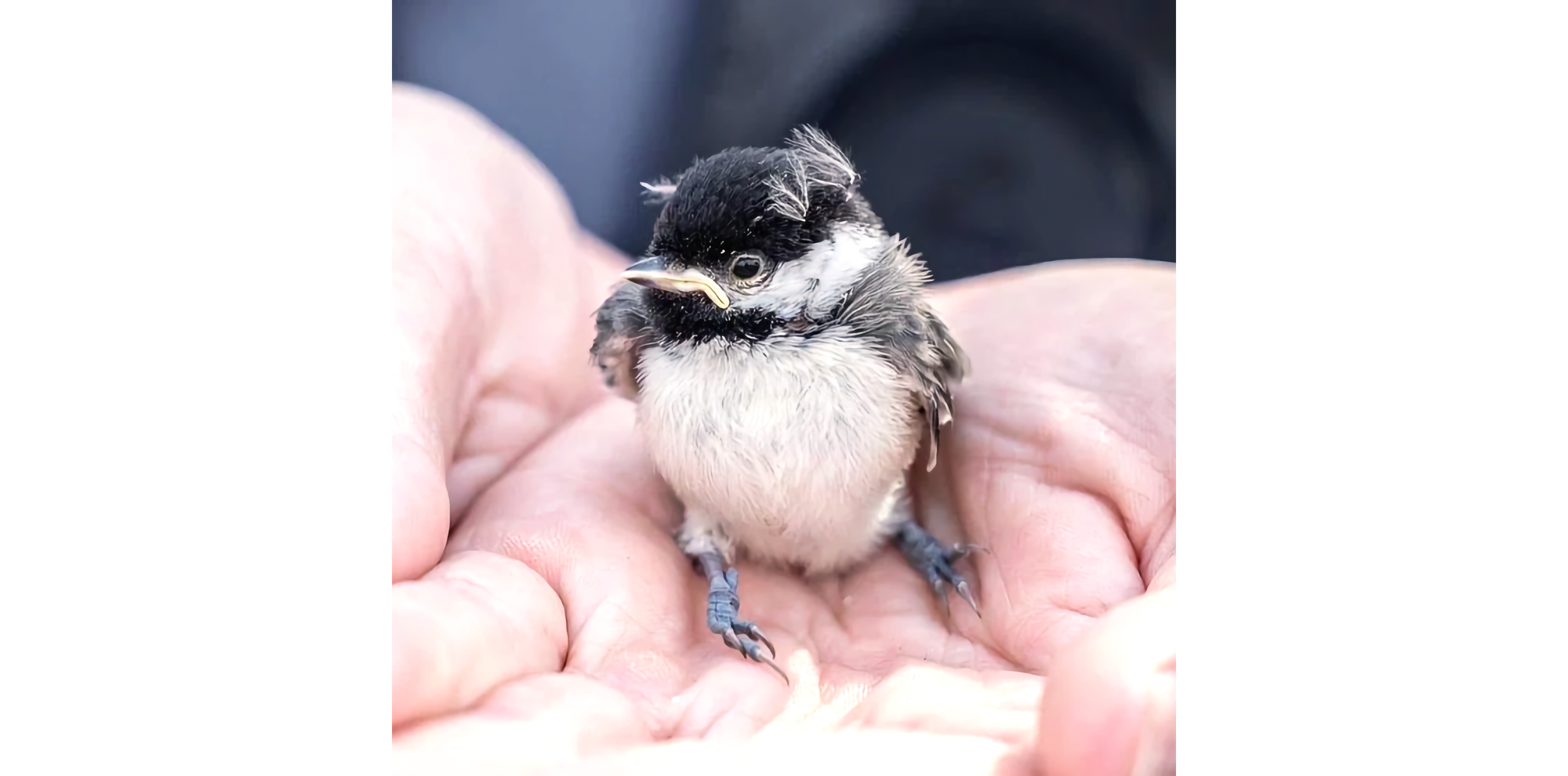
For several weeks after this backyard drama, I made it my practice to walk to the back of my property nearly every afternoon to call my beloved chickadee flock, which was still present nearby. The birds always arrived “home” to their familiar territory and stayed in the vicinity of my backyard for several weeks before finally flying off to seek new horizons.
A New Era and a Chickadee Housing Upgrade
In the spring of 2024, my husband and I decided to sell our (now completely transformed) bungalow, and relocate permanently to our loft in central Washington. But as part of this long process of making the house attractive to potential buyers, the little void where chickadee families had routinely nested had to be sealed up with a piece of exterior siding to create better “sales appeal.” (After all, not everyone would likely share my acceptance of avian neighbors.) It broke my heart to observe the latest generation of chickadee settlers trying to gain access to their traditional nesting site, only to discover that they could no longer enter to use it.
But I had already formulated an ingenious “Plan B,” long before the chickadees reappeared: I purchased a fancy commercial nesting box for them, and by the time the chickadees arrived, the new upgrade was already installed and ready for them to occupy, complete with a shiny brass guard around the hole, which prevented predator birds from enlarging the perfectly-sized chickadee entrance with their pecking.
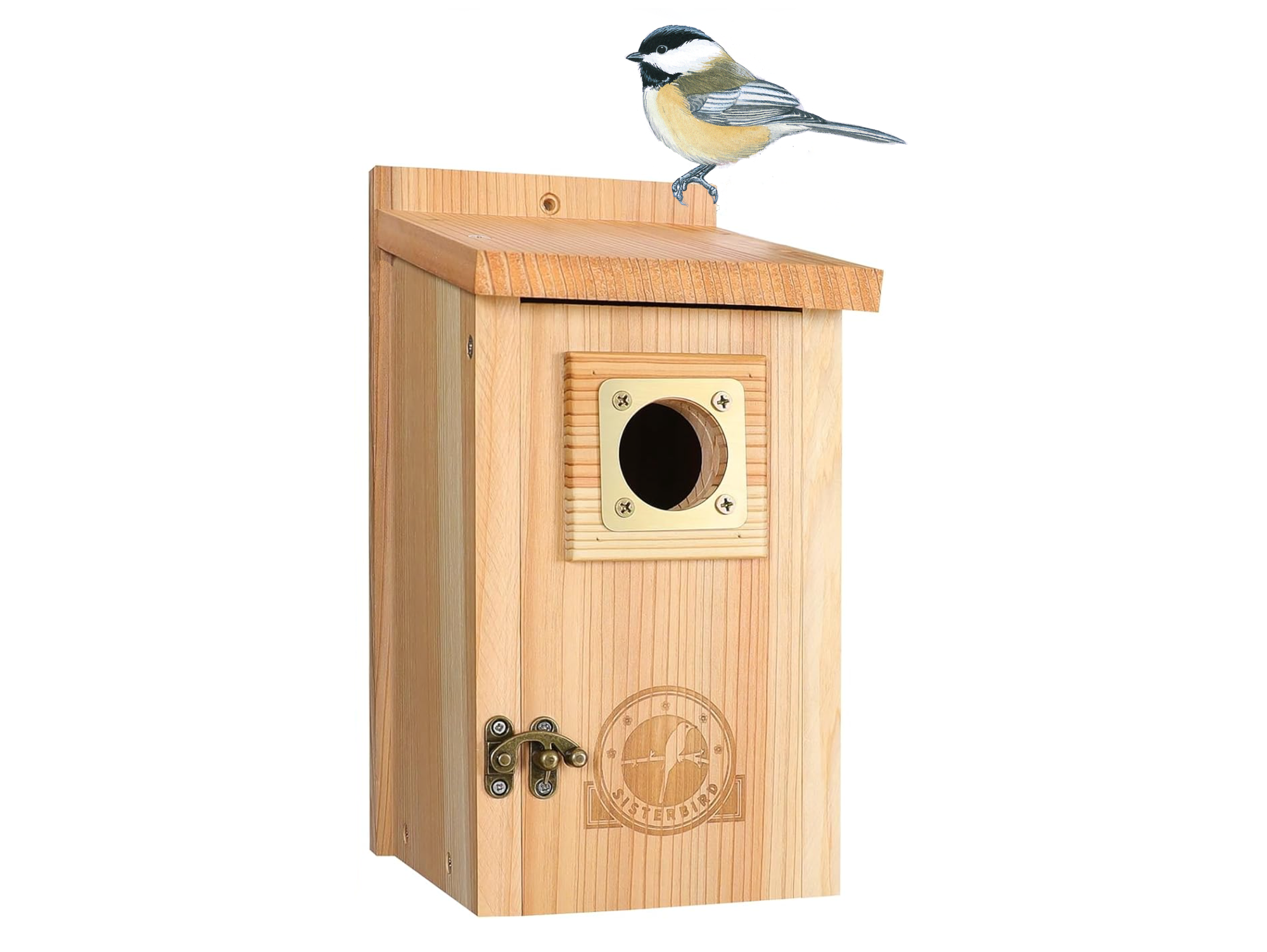
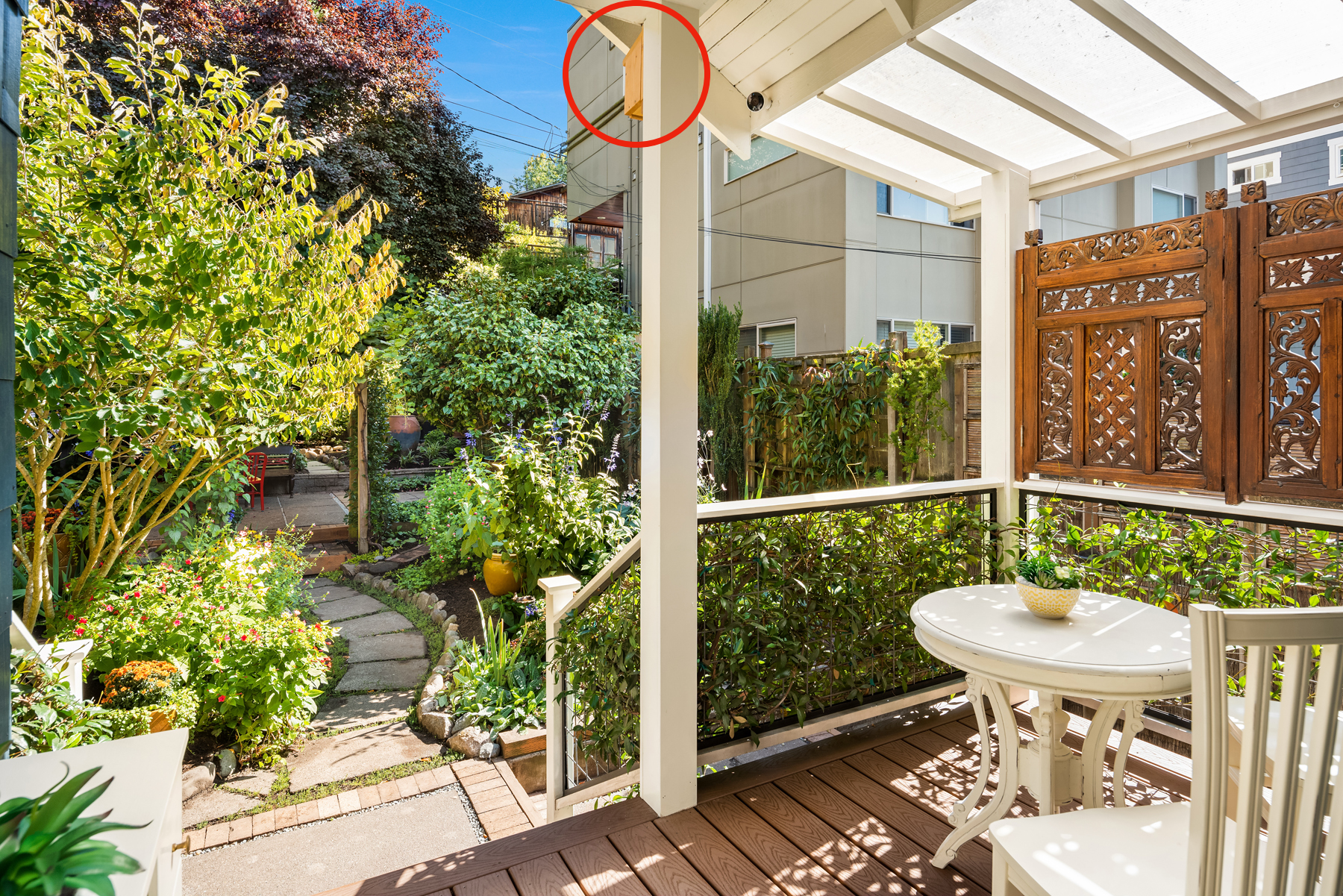
The new nesting box (circled in red in the photo below) was attached to a 4x4 roof post that faced my long-awaited, wildlife-friendly, garden sanctuary. As an extra Welcome Wagon enticement to greet the new settlers, I installed a tiny basket of nesting materials nearby, which I had carefully gathered ahead of time.
The chickadee couple responded to “Plan B” with curiosity and good humor. And as my husband approached the completion of his handyman installment efforts, the birds watched us intently from a branch of the yellow witch hazel tree, twitching their little tails in excitement and chirping as if to say, “Hurry up! Hurry up!”
Finally, we set aside our drill, sat down at the nearby white table to rest, and watched with satisfaction as the new chickadee couple immediately flew into their fancy new home. It was the culmination of a decades-long transformation that replaced careless destruction with life-enhancing beauty.




Member discussion